Korean Skincare Brands for Men: What to Buy, How the U.S. Market Differs, and Where to Shop
Korean skincare brands for men: What to buy, how the U.S. market differs, and where to shop. All you need to know about Korean skincare for men in United States.
Korean skincare for men is most useful when it solves an everyday problem: a cleanser that leaves the face tight, a moisturizer that feels greasy, or sunscreen that is uncomfortable enough to skip. Its appeal extends beyond elaborate routines and viral ingredients. A well-chosen Korean formula can make basic skincare more pleasant and easier to maintain.
But buying intelligently requires separating three different things: Korean domestic grooming products, Korean brands exported to America, and the broader American marketing category called “K-beauty.” These overlap, but they are not interchangeable.
For most men, the strongest starting point is a gentle cleanser, a moisturizer suited to their skin, and broad-spectrum sunscreen. A hydrating essence or targeted serum can come later. Neither a male model on the packaging nor a Korean country-of-origin statement guarantees better results.
This guide evaluates brands through product purpose, ingredient transparency, and access through established retailers. It is an editorial buying guide, not a hands-on product test or an audited ranking of U.S. sales.
Korean skincare versus American skincare: what actually differs?

The product vocabulary and shopping experience
Korean skincare is associated with toners, essences, ampoules, emulsions, and sleeping packs. Those labels describe formats and positioning more reliably than they predict effectiveness. An essence can be a simple hydrating layer; an ampoule can function much like a serum; an emulsion is generally a lighter moisturizing format.
American shoppers often encounter these products as a sequence of required steps. A better approach is to ask what each adds. If a toner, essence, and serum all mainly supply hydration, purchasing all three may create more expense than benefit.
Read also: Meditheraphy vs Celimax
Sephora’s own Korean-skincare guidance now explicitly describes flexible routines rather than a mandatory ten-step system. That is a useful correction to one of the category’s most persistent marketing myths.
Korean men’s products are not the same as U.S. viral favorites
Korean domestic brands also sell products explicitly designed and marketed for men. IOPE’s Korean catalog, for example, includes men’s all-in-one products, an emulsion, an essence, cleanser, retinol-positioned care, and sunscreen. This demonstrates that convenience-oriented male grooming exists alongside the elaborate routine associated with K-beauty abroad.
An American shopping for Korean skincare may instead encounter COSRX snail essence, Anua serums, Laneige moisturizers, or Beauty of Joseon creams. These are generally products men can use without choosing a separate men’s line.
Read also: Retinol for men
Neither list establishes what Korean men buy most. That would require current domestic sales or consumer-panel data segmented by gender, channel, and product category. An international bestseller badge cannot answer that research question.
The export market is large, but size does not prove superiority
Korea’s official reporting puts 2025 cosmetics exports at approximately $11.4 billion, with the United States becoming the largest destination at approximately $2.18 billion. These figures cover cosmetics broadly, not only skincare or male consumers.
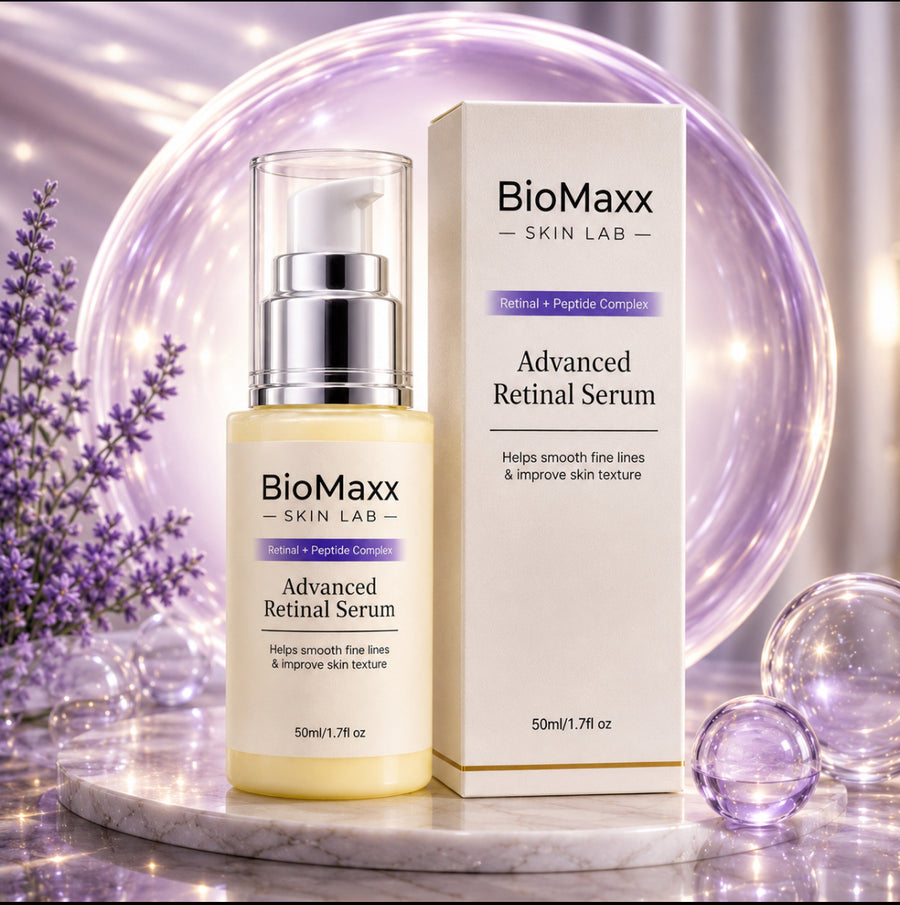
Read also: BioMaxx Skin Lab products for men
The numbers help explain why U.S. retail shelves increasingly feature Korean brands. They do not establish that Korean products outperform American products, or that every exported brand has substantial domestic demand. The practical comparison is formula against formula: comfort, fragrance, active ingredients, package size, and cost per use.

Do men need skincare formulated specifically for men?
Usually, the more useful distinction is skin type and grooming habits. A man with dry, reactive skin may need a richer moisturizer than another man with oily skin, regardless of how either product is marketed. Shaving adds a separate consideration. Products that feel acceptable on an unshaved forehead may sting on freshly shaved cheeks. Fragrance, strong exfoliation, and an aggressive routine deserve particular scrutiny when irritation is already present.
What is actually worth buying? Four concrete product examples
COSRX Advanced Snail 96 Mucin Power Essence: optional hydration
This essence is a useful example of a product with a clear role. The published ingredient information includes snail secretion filtrate, betaine, sodium hyaluronate, panthenol, and allantoin. These ingredients support its positioning as a hydrating, skin-conditioning layer.
It may appeal to men who want additional hydration without immediately moving to a heavier cream. However, it is an optional step, and its distinctive texture will not suit everyone. The prominent snail percentage describes the ingredient’s inclusion in the formula. It does not mean the product is that percentage “clinically effective,” nor does it establish superiority over a conventional moisturizer. A hydrating essence also does not replace sunscreen or a treatment selected for a diagnosed skin condition.
The American Academy of Dermatology advises men to select products for their skin type, use mild cleansing, moisturize, and pay attention to shaving technique. It also recommends fragrance-free products for sensitive skin. The best men’s skincare purchase is therefore often an ordinary, well-formulated product that happens to work for a man’s face.
Major Korean skincare brands in the U.S. - which deserve attention?
“Biggest” needs a defined metric. Retail availability, company revenue, online attention, and sales of one product can produce different rankings. The following table identifies prominent names visible in the U.S. retail assortments reviewed for this article. It does not claim a verified market-share order.
| Brand | Useful starting point | Buying consideration |
|---|---|---|
| COSRX | Hydrating essences and accessible skincare basics | Buy for a specific function rather than assuming snail mucin is essential |
| Laneige | Hydration-focused products and moisturizing formats | Compare texture and fragrance at the individual-product level |
| Dr. Jart+ | Barrier-oriented moisturizers, including Ceramidin | Consider richness, finish, and price before choosing a premium cream |
| Beauty of Joseon | Moisturizers and sun-care options | Distinguish dewy finishes and regional sunscreen versions |
| Anua | Targeted serums and hydrating products | Some formulas combine several actives at substantial stated concentrations |
| Aestura | Barrier-focused moisturizing care | A logical shortlist for dry skin; richer textures may be unnecessary for others |
| Innisfree | Cleansers, moisturizers, and sun-care products | Botanical positioning does not replace checking the complete formula |
| Sulwhasoo | Luxury skincare and ginseng-centered positioning | Luxury pricing and ingredient storytelling are not comparative clinical proof |
| Round Lab | Cleansing, moisturizing, and toner options | Check the exact listing, seller, size, and U.S. formulation |
| Medicube | Trend-driven masks and other skincare formats | Evaluate each format’s practical value rather than buying a whole system |
Sephora’s Korean-skincare assortment includes Laneige, Dr. Jart+, Beauty of Joseon, Aestura, Innisfree, and Sulwhasoo. Ulta’s listings include COSRX, Anua, and Medicube. Target lists Round Lab products. Those assortments establish retail presence, not guaranteed inventory at every location.

Beauty of Joseon Dynasty Cream: a moisturizer for men who like a dewy finish
The brand identifies rice bran water, ginseng root water, squalane, and niacinamide among the formula’s featured ingredients. Its positioning emphasizes nourishment and a dewy appearance. This makes it a more relevant candidate for someone seeking moisturizing comfort and visible sheen than someone whose highest priority is a matte finish.
The buying question is not whether rice or ginseng sounds sophisticated. It is whether the finished cream improves comfort, layers acceptably with sunscreen, and remains pleasant throughout the day. Men with oily skin should avoid assuming that an internationally popular cream must suit their preferred finish.
Aestura ATOBARRIER365 Cream: consider when dryness is the main issue
The U.S. Sephora listing describes this moisturizer around ceramides and niacinamide and identifies it as fragrance-free. That makes it a sensible product to investigate when the main concern is dry-feeling, sensitive skin rather than a desire to add another active serum.
Check the current regional ingredient list before purchasing. Products can be reformulated, and online discussions may refer to an older or different-market version. A barrier-focused moisturizer can be a more useful purchase than several trendy essences when the existing routine already leaves skin uncomfortable.
Anua Niacinamide 10 TXA 4 Serum: a targeted option, not a compulsory first step
Anua states that this serum contains 10% niacinamide, 4% tranexamic acid, and 2% arbutin. Its ingredient list also includes glycerin, hyaluronic-acid ingredients, panthenol, and ceramide NP. The brand positions it for the appearance of dark spots and uneven tone.

This is a targeted, multi-ingredient formula rather than basic hydration. A beginner does not need to start with this level of complexity, particularly if already using acids, retinoids, or other brightening products. The percentages help identify what the brand says is in the bottle. They do not establish that this combination is better for every user than a simpler formula. Introduce it separately so that comfort and tolerance can be assessed.
Ingredients: how to read beyond the front label
Ingredient lists are most valuable when they explain the product’s job. Use the following distinctions to avoid buying several products that do essentially the same thing.
| Ingredient or category | What to assess | Common interpretation to avoid |
|---|---|---|
| Glycerin, betaine, hyaluronic acid | Whether the formula supplies comfortable hydration | More forms of hyaluronic acid automatically mean a better product |
| Ceramides and moisturizing lipids | The complete moisturizer, texture, and suitability for dry skin | One highlighted lipid guarantees the best barrier performance |
| Niacinamide | Its role in the formula, stated concentration when available, and personal tolerance | A higher percentage must produce a better result |
| Panthenol and allantoin | Their place in a moisturizing or comfort-focused formula | Their presence proves a product will never irritate |
| Rice, ginseng, centella, and other botanicals | Full ingredient list and evidence for the finished product | “Natural” means allergy-free or clinically superior |
| Snail secretion filtrate | Whether the texture and hydration add something useful | A large ingredient percentage measures clinical effectiveness |
| Fragrance and aromatic extracts | Personal sensitivity and post-shave comfort | A premium smell is evidence of skincare quality |
A useful evidence hierarchy separates an ingredient’s proposed mechanism, studies of that ingredient in particular formulations, and testing of the exact product being sold. These are different levels of evidence. A supplier’s laboratory result does not automatically validate every finished serum containing the ingredient.
Likewise, before accepting “clinically tested,” look for the number of participants, duration, comparison group, outcome measurements, and whether the result was instrument-measured or self-reported. A percentage of users reporting softer skin is not the same endpoint as a controlled measurement of pigmentation change.
Sunscreen is the most important Korean–U.S. product distinction
Do not assume a sunscreen sold in Korea is identical to a similarly named product sold in the United States. FDA explains that U.S. sunscreens are regulated as drugs and must meet applicable nonprescription-drug standards. Products bought outside the country can differ in labeling and formulation.
Read also: Best face skin cosmetics under 20$ in US
For a practical American shopping decision, inspect the exact package: SPF, broad-spectrum labeling, active ingredients, water-resistance claims, directions, and the Drug Facts panel where applicable. Target’s listings, for example, include a Round Lab Birch Juice UV Lock SPF 45 product. That specific name and SPF should be used when researching it; information about another Birch Juice sunscreen may not describe the same formula.
For outdoor activity, choose water resistance appropriate to the activity and follow the label’s reapplication instructions. AAD recommends broad-spectrum, water-resistant SPF 30 or higher and reapplication every two hours outdoors or immediately after swimming or sweating.
For men with facial hair, the most useful test is whether the product can be distributed adequately across exposed skin without an unacceptable residue. A fashionable finish has little value if it encourages underapplication.

Where to buy Korean skincare in the United States
Sephora and Ulta: useful for comparing textures and returns
These major beauty retailers provide established U.S. shopping channels and broad online assortments. Use the store locator and product-level pickup tools before traveling. A brand’s online presence does not mean every branch carries every product.
In-store shopping is particularly useful when deciding between a dewy cream and a lighter texture. A tester can help assess feel and fragrance, although it cannot predict long-term tolerance or effectiveness.
Target: accessible options, with seller details worth checking
Target’s Round Lab listings illustrate how Korean skincare has entered a more everyday retail channel. Still, distinguish a product stocked by the retailer from a marketplace listing. Check the seller, shipping source, and return terms rather than relying on the website’s name alone.
Soko Glam: specialist online curation
Soko Glam states that it partners directly with Korean brands and ships from a U.S. warehouse. That makes it a relevant option for shoppers who want a specialist assortment and domestic fulfillment. Verify the current product selection and policies before ordering.
Brand websites and online marketplaces
Official brand websites are valuable for current ingredient lists, directions, and regional product information. On Amazon or another marketplace, navigate from a brand’s verified website where possible and examine the actual seller. A branded storefront or fulfillment badge alone does not establish that every offer is brand-authorized.
For any cross-border seller, compare the total delivered cost, likely delivery time, return practicality, and regional formulation. A discount can lose its value if shipping is expensive or an unsuitable product cannot be returned economically.
A sensible Korean skincare routine for men
Start with a routine you can repeat, then add products only when they solve an identifiable problem.
Morning: cleanse gently if needed, apply moisturizer according to dryness and product directions, then use appropriate sunscreen. A comfortable sunscreen may reduce the need for a separate morning moisturizer for some people, but judge the actual formula and your skin.
Evening: cleanse and moisturize. If one cleanser adequately removes the day’s products, a compulsory second cleanse adds little practical value. If removal is incomplete, reconsider the cleanser or cleansing approach.

Optional: introduce one targeted treatment or hydrating layer at a time. Keep the remainder of the routine stable so that you can identify whether the addition helps or causes discomfort.
Read also: Best Korean skincare brands available in US
For budgeting, prioritize a cleanser, moisturizer, and sunscreen before spending on masks, multiple toners, or duplicate serums. Compare price per milliliter within comparable product categories, while recognizing that application amounts differ. A cheap bottle that is unpleasant to use is poor value.
Frequently asked questions
Can men use Korean skincare marketed toward women?
Yes. Choose according to skin type, sensitivity, desired finish, and the product’s purpose. Gendered packaging is less informative than the formula and directions.
What Korean skincare should a beginner buy first?
Start with missing basics: a gentle cleanser, a suitable moisturizer, and sunscreen. Choose an essence or targeted serum later if a specific need remains.
Is Korean skincare better than American skincare?
There is no defensible category-wide winner. Compare exact products, evidence, tolerability, price, and likelihood of consistent use. Both markets contain simple basics, sophisticated formulations, and products with more marketing appeal than practical necessity.
Which Korean brands are biggest in the U.S.?
COSRX, Laneige, Dr. Jart+, Beauty of Joseon, Anua, Aestura, Innisfree, Sulwhasoo, Round Lab, and Medicube are prominent names represented in the retail sources reviewed here. An exact ranking requires a defined time period and comparable U.S. sales data, which this guide does not claim to provide.
Is snail mucin necessary?
No. It is an optional ingredient in some hydrating products. Choose it if the finished formula suits you, not because every Korean routine supposedly requires it.
What should men pay the most attention to before purchasing?
The exact regional formula, fragrance, texture, active-ingredient overlap, seller identity, package size, and return policy. For sunscreen, also check protection labeling and water resistance. Those details provide more decision value than a viral ranking.